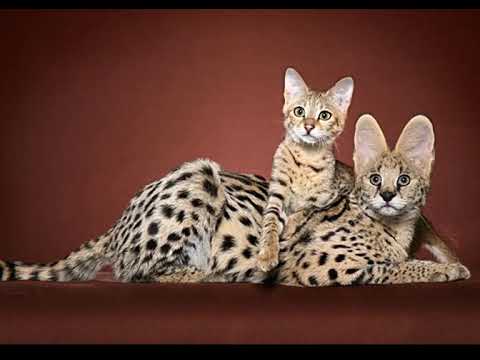
The world of exotic pet ownership often brings forth fascinating creatures, and few have captured public imagination and sparked debate quite like the Ashera Cat. Marketed as the ultimate designer feline – a luxurious, rare, and almost mythical hybrid – the Ashera promised a blend of wild beauty and domestic charm. However, behind the captivating allure and hefty price tag lay a truth that would unravel its enigmatic identity, revealing a connection to one of the most recognizable and revered hybrid breeds: the Savannah cat.
The Ashera Cat: A Tale of Controversy and Revelation
The story of the Ashera cat is one steeped in ambition, mystery, and ultimately, revelation. Introduced to the world by a company called Lifestyle Pets, the breed was initially presented as a groundbreaking hybrid, purportedly combining the DNA of an African Serval, an Asian Leopard Cat, and a domestic cat. This triple-hybrid lineage suggested an unprecedented blend of wild genetics, promising a creature of unparalleled size, striking appearance, and a unique, exotic appeal.
Lifestyle Pets positioned the Ashera as an exclusive, high-end pet, commanding prices that soared into the tens of thousands of dollars. The allure was undeniable: owning a cat that seemed to embody the spirit of the wild, yet was reportedly docile enough for a domestic setting. However, as the breed gained notoriety, skepticism grew within the feline community, particularly among breeders already familiar with large hybrid cats.
The pivotal moment arrived with DNA testing. Through scientific analysis, it was conclusively discovered that the Ashera cat was not the complex triple-hybrid it was claimed to be. Instead, the genetic evidence pointed squarely to a different, albeit still impressive, lineage: the Ashera cat was, in fact, an F1 Savannah cat. This revelation brought an end to the mystery, debunking the elaborate marketing claims and firmly establishing the Ashera's true identity within the well-documented lineage of Savannahs.
What the DNA Uncovered: An F1 Savannah Identity
- F1 Generation: The "F1" denotes the first filial generation, meaning these cats are direct offspring of a Serval and a domestic cat. This makes them the closest generation to their wild ancestor.
- Serval Ancestry: The African Serval is a medium-sized wild cat native to Africa, known for its large ears, long legs, and distinctive spotted coat. Its strong genetics contribute significantly to the F1 Savannah's (and thus the Ashera's) impressive size, exotic appearance, and often, energetic personality.
- Domestic Blend: The domestic cat parentage provides the foundation for trainability and a more domesticated temperament, although wild instincts remain pronounced in F1 generations.
The discovery that the Ashera was an F1 Savannah wasn't merely a point of academic interest; it had significant implications for the breed's ethical standing and market value. While Savannah cats are highly valued, the deliberate misrepresentation created controversy around Lifestyle Pets and the initial marketing of the Ashera. This backstory is crucial for understanding the true nature and identity of these magnificent felines.
Unpacking the Savannah Identity: What is an F1 Savannah Cat?
To truly understand the Ashera Cat is to understand the F1 Savannah cat. The F1 Savannah is the first generation hybrid resulting from the direct cross between a wild African Serval and a domestic cat. This pairing is critical, as it imbues the F1 offspring with a striking combination of wild traits and domestic characteristics, making them distinct from other cat breeds.
The Serval, with its lean, muscular build, extraordinarily long legs, large upright ears, and beautiful spotted coat, is an athletic and intelligent hunter. When bred with a domestic feline, the F1 generation inherits a substantial portion of these wild attributes. This direct genetic link explains the remarkable features often associated with the Ashera cat, such as its impressive size and distinctive markings.
Key Characteristics Inherited from the Serval Ancestry:
- Extraordinary Size: F1 Savannahs are significantly larger than most domestic cats. They can reach heights of almost four feet at the shoulder and weigh anywhere from 26 to 33 pounds, akin to a medium-sized dog rather than a typical house cat. This towering presence is a direct inheritance from their Serval parent.
- Distinctive Spotted Coat: The cream-colored body adorned with very distinctive brown spots is a hallmark of the Serval and, consequently, the F1 Savannah. These spots are typically bold, clear, and well-defined. Some variations, such as white Asheras with amber patches, also exist, showcasing the diversity possible within the breed.
- Energetic and Intelligent Nature: Servals are highly intelligent and active creatures, traits that are strongly passed down to their F1 offspring. This contributes to the Ashera's well-documented trainability and need for mental and physical stimulation.
- Unique Vocalizations: While often described as quiet, F1 Savannahs can possess a wider range of vocalizations than domestic cats, including chirps, growls, and hisses, reflecting their wild heritage.
The approval of the F1 Savannah cat as a recognized breed in 2001, following its first production in 1986, laid the groundwork for the Ashera’s identity. It confirmed that this magnificent creature was not an entirely new discovery, but rather a particularly striking example of an already established and admired hybrid, now commonly known as the F1 Savannah.
Size, Splendor, and Striking Features: The Ashera's Grand Presence
There's no mistaking an Ashera Cat for an ordinary domestic feline. Its grand presence is perhaps its most defining characteristic, setting it apart in both stature and appearance. When people first encounter an Ashera, their sheer size is often the immediate point of astonishment.
Imagine a cat that can stand nearly four feet tall, reaching almost to an adult's waist when standing on its hind legs. This incredible height is coupled with a substantial build; Asheras typically weigh between 26 and 33 pounds. To put this into perspective, most domestic cats weigh around 10 to 12 pounds. This makes the Ashera not just a large cat, but one comparable in size to a medium-sized dog, demanding attention and space. This impressive physicality is a direct legacy of its Serval ancestry, where powerful leaps and agility are essential for survival in the wild.
Beyond its colossal size, the Ashera's splendor is evident in its distinctive spotted coat and piercing gaze. The most common coloration features a cream-colored body beautifully adorned with very distinctive brown spots. These spots are not random; they are typically bold, well-defined, and reminiscent of its wild Serval heritage, making each cat's pattern unique. Complementing this stunning coat are large, often green eyes that convey an intelligent and alert expression. Occasionally, "snow" Asheras appear, showcasing white fur with amber patches, adding another layer of visual interest to the breed.
The Hypoallergenic Claim: A Closer Look
An intriguing aspect often associated with some Ashera cats is the claim of being "hypoallergenic." While no cat is truly 100% hypoallergenic, as allergies are primarily triggered by dander (dead skin flakes) and proteins in saliva rather than fur itself, certain breeds produce fewer allergens. Asheras that are specifically bred for this trait are designed to minimize the production of Fel d 1, the protein responsible for most cat allergies. For individuals with mild cat allergies, a "hypoallergenic" Ashera might offer a more tolerable companion, but prospective owners should always spend time with the cat to assess their individual reaction before committing.
The Ashera’s thin fur coat is another physical characteristic. While the reference context unfortunately cut off here, we can infer that a thin coat might contribute to its sleeker appearance and potentially make grooming slightly less intensive than for long-haired breeds, though regular care is still essential to maintain its health and luster.
Temperament and Trainability: The Gentle Giant of the Feline World
Despite their imposing size and wild lineage, Ashera cats are often described as gentle giants with surprisingly calm and quiet dispositions. This juxtaposition of a formidable appearance with a docile nature makes them truly unique among felines. While they may appear intimidating, they are generally not dangerous or aggressive, proving to be adaptable companions within a household.
Ashera cats are known for their social tendencies. They enjoy being around people and can form strong bonds with their families, often following their owners from room to room or settling nearby for a nap. However, unlike some overly clingy breeds, they also possess a degree of independence. Owners report that Asheras are perfectly content to be left alone in the house for periods, making them an excellent choice for individuals who may work outside the home. This innate self-sufficiency means that separation anxiety is typically not an issue for this breed, offering peace of mind to their owners.
Intelligent and Highly Trainable
One of the most appealing traits of the Ashera cat is its exceptional intelligence and trainability. Their high cognitive abilities, inherited from the Serval, make them quick learners. This intelligence translates into a cat that can be taught a variety of commands and behaviors, far beyond what many expect from a feline companion:
- Leash Training: Asheras are often amiable to being outdoors and can be successfully trained to walk on a leash and harness. This allows them to safely explore the outside world, fulfilling their instinctual need for new experiences and exercise.
- Fetching and Tricks: Many Asheras enjoy playing fetch and can be taught various tricks, responding well to positive reinforcement methods. This provides excellent mental stimulation and strengthens the bond with their owner.
- Litter Box Proficiency: Despite their exotic background, Asheras are generally very good with litter box training, quickly adapting to indoor routines.
To foster their intelligent and active minds, it's always a good idea to provide ample environmental enrichment. Leaving out a variety of toys, puzzle feeders, and robust scratching posts is essential. These provisions help prevent boredom and destructive behaviors, ensuring the Ashera remains stimulated and happy. Regular play sessions also contribute significantly to their physical and mental well-being, reinforcing their social nature.
Caring for an Ashera: More Than Just a Pet, a Commitment
Bringing an Ashera Cat into your home is a significant commitment that extends beyond typical pet ownership. Given their unique genetics, impressive size, and specific needs, responsible care for an Ashera requires thoughtful planning, dedication, and a deep understanding of their hybrid nature.
Dietary Needs
Due to their Serval ancestry, Asheras have specific dietary requirements. They thrive on a high-quality, high-protein diet, often favoring raw or commercially prepared exotic meat diets that mimic their wild counterparts' natural food sources. Standard commercial cat food, even premium brands, may not adequately meet their nutritional needs. Consulting with a veterinarian experienced in exotic felines or a reputable breeder is crucial to establish a balanced and appropriate feeding regimen.
Exercise and Enrichment
As intelligent and energetic cats, Asheras require substantial physical and mental stimulation. They are not content to lounge all day. Daily interactive play sessions, the provision of tall cat trees, climbing structures, and puzzle toys are essential to keep them engaged. Leash training not only offers a unique bonding experience but also allows them to safely explore outdoors, providing vital exercise and mental enrichment that indoor-only environments might lack. Remember, a bored Ashera can become a destructive Ashera, so proactive engagement is key.
Veterinary Care
Finding a veterinarian experienced with hybrid cats or exotic felines is paramount. Asheras may have some health considerations unique to their breed, and routine vaccinations, parasite control, and check-ups should be tailored to their specific needs. Understanding potential hereditary conditions, if any, and monitoring their health closely will ensure a long and healthy life.
Living Environment and Space
Given their large size, Asheras need ample space. A small apartment might not be ideal unless they have frequent outdoor access via a secure catio or leash walks. They benefit from vertical space, like tall cat trees and shelves, to satisfy their climbing instincts. Providing a safe, stimulating, and spacious environment is crucial for their well-being.
Financial and Legal Considerations
The initial cost of an Ashera cat (or F1 Savannah) is substantial, often ranging from $15,000 to $125,000, reflecting their rarity and the specialized breeding involved. Beyond the purchase price, ongoing costs for specialized food, veterinary care, and enrichment will also be higher than for a typical domestic cat. Furthermore, it's essential to research and understand local regulations regarding exotic and hybrid cat ownership. Many regions have restrictions or require special permits for owning cats with significant wild cat lineage.
Owning an Ashera is truly an experience unlike any other. It means welcoming a magnificent, intelligent, and affectionate creature into your life, one that carries the echoes of the wild while embracing the comforts of home. It's a commitment to providing a stimulating environment, specialized care, and a deep understanding of their unique heritage.
In conclusion, the fascinating journey of the Ashera Cat from a controversially marketed "designer" hybrid to its true identity as a magnificent F1 Savannah cat underscores the importance of scientific verification and transparency in the exotic pet market. While the initial claims of its triple-hybrid lineage were debunked by DNA evidence, what remains is an undeniably impressive feline. The Ashera embodies the striking beauty, intelligence, and unique temperament of its Serval ancestry, blended with the domestic cat's companionship traits. This "gentle giant" offers a truly unique pet ownership experience, demanding a significant commitment to specialized care, enrichment, and understanding. For those prepared to meet these needs, the Ashera, in its authentic Savannah form, provides a loyal, interactive, and visually stunning companion, truly a majestic addition to any family.